
Alaska Workplace Safety & AED Compliance
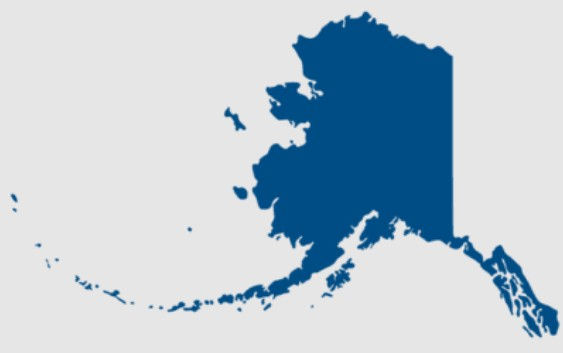
Your quick guide to AED, workplace safety, and emergency preparedness laws in Alaska.
Alaska operates its own OSHA-approved state plan (AKOSH) and focuses on broad workplace safety and accident prevention rather than industry-specific AED mandates. The state provides strong Good Samaritan protections for AED use but leaves AED placement, training, and emergency planning largely to organizational discretion, with federal healthcare rules shaping expectations in hospitals and clinics.
AED Required?
No statewide AED placement mandate.
Emergency Plan?
Emergency preparedness requirements arise mainly through AKOSH standards (e.g., emergency action plans for certain hazards)
State OSHA Plan?
Yes. Alaska operates AKOSH (Alaska Occupational Safety and Health)
Good Samaritan?
Yes
Regulated Industries
-
All workplaces under AKOSH (general safety and accident prevention).
Last Updated
Ongoing updates to Title 18, Chapter 60
*This summary is provided for general informational purposes only and does not constitute legal advice. State laws change regularly, and requirements may vary by industry or circumstance. Always consult official state statutes or a qualified attorney before making compliance decisions.This summary is provided for general informational purposes only and does not constitute legal advice. State laws change regularly, and requirements may vary by industry or circumstance. Always consult official state statutes or a qualified attorney before making compliance decisions.
-
General workplaces: Implement voluntary AED programs with CPR/AED training and written emergency response procedures to complement AKOSH safety requirements and reduce cardiac risk.
-
High-risk industries (oil, mining, remote operations): Place AEDs strategically, train crews in CPR/AED, and integrate AED checks into safety audits, given long EMS response times.
-
Healthcare facilities: Align AED deployment, staff training, and emergency plans with CMS emergency preparedness rules and AHA guidelines, even beyond minimum AKOSH requirements.
-
Schools and public venues: Adopt AEDs and cardiac emergency plans as best practice, leveraging Alaska’s Good Samaritan protections to support bystander intervention.
Key Takeaways for Alaska
Understanding Alaska's specific safety mandates is the first step toward total workplace readiness. Here is a high-level summary of the critical requirements for employers in the state.
-
Alaska does not mandate AEDs in specific industries; AED programs are voluntary but supported by strong Good Samaritan protections under AS 09.65.087.
-
AKOSH enforces workplace safety standards at least as effective as federal OSHA, including requirements for hazard communication, emergency action plans where needed, and training for high-risk tasks.
-
Emergency preparedness expectations in healthcare facilities are driven primarily by federal CMS rules rather than Alaska-specific statutes.
Recommendations
Alaska Resources & Compliance Tools
Quick access to Alaska specific safety departments, federal compliance tools, and life-saving equipment registries.
EveryBeat Compliance Tools
AED Readiness Assessment
Evaluate your facility's AED status.
Workplace Safety Consultation
Expert audit for AK risk management.
Alaska State OSHA
State workplace safety rules.